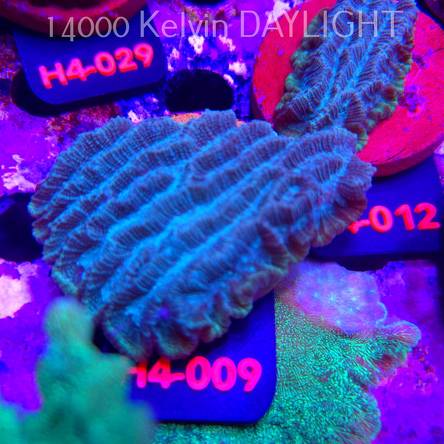
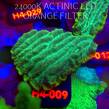
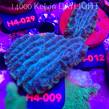
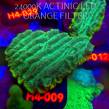
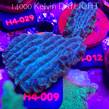
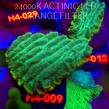
PLATYGYRA ELECTRIC MAZE (14.10.2026) H4-009 5cm
- Manufacturer: JMCorals
-
Availability:
 Exists
(1 pcs.)
- pcs.
- €37.26
Platygyra – LPS Coral with a Distinctive Maze Pattern
Platygyra is a large polyp stony coral (LPS), prized for its winding ridges and valleys that resemble an intricate maze. It forms compact colonies that may develop an encrusting or dome-shaped growth pattern. Depending on the variety, its colours can include green, yellow, brown, red and purple. Blue reef lighting highlights its fluorescence and the contrast between different parts of the colony.
Platygyra is an attractive addition to a mature marine aquarium. Its care requirements are moderate – stable water parameters, suitable placement and enough space to grow are essential for long-term success.
Lighting and Placement
Platygyra generally thrives under low to moderate lighting. The lower or middle areas of the rockwork are suitable, depending on the intensity of your lighting. It can also be positioned on a stable base near the aquarium floor, where sand cannot accumulate on its living tissue.
Approximately 75–150 PAR can be a useful starting point, although the needs of each variety also depend on its previous growing conditions. Acclimate new specimens gradually to your lighting. Sudden exposure to intense light may cause fading, bleaching or tissue damage.
Water Flow
Provide gentle to moderate, indirect water flow. Circulation should help remove sediment from the colony’s grooves and deliver food without continuously directing a strong jet at the coral.
Avoid placing Platygyra directly in front of a circulation pump. Excessive flow may prevent normal tissue expansion and cause irritation.
Recommended Water Parameters
The following values provide practical target ranges for an aquarium containing Platygyra:
| Parameter | Recommended Range |
|---|---|
| Temperature | 24–27°C |
| Salinity | 34–35 PSU |
| Alkalinity – KH | 7–9 dKH |
| Calcium – Ca | 400–450 mg/l |
| Magnesium – Mg | 1250–1400 mg/l |
| Nitrate – NO₃ | 2–15 mg/l |
| Phosphate – PO₄ | 0.03–0.10 mg/l |
Consistency matters more than achieving one exact value. Avoid sudden changes in salinity, temperature and alkalinity. Nitrate and phosphate should remain measurable – reducing them to zero should not be the goal.
Feeding
Platygyra receives energy from the symbiotic algae living within its tissues, but it can also capture food. Supplementary feeding can support growth and overall condition.
Suitable foods include small zooplankton, small portions of mysis, finely chopped frozen foods and appropriate LPS coral foods. Feeding is most effective in the evening or after the lights turn off, when feeding tentacles are visible.
Offer small portions suited to the colony’s size and feeding response. Water flow can be reduced temporarily during feeding, remembering to restore it afterwards. Do not allow uneaten food to accumulate on the coral.
Compatibility with Other Corals
Platygyra can sting neighbouring corals. Particularly at night, it may extend long sweeper tentacles that reach much farther than its feeding tentacles.
Initially, leave at least 10–15 cm of clear space between Platygyra and the living tissue of nearby corals. This is a starting distance – nighttime observation may show that more space is needed. Consider the direction of water flow, which can carry the sweeper tentacles towards other animals.
Growth and Aquarium Propagation
Under favourable conditions, Platygyra gradually builds its calcium carbonate skeleton and expands across the available surface. Regular monitoring of alkalinity, calcium and magnesium helps maintain the conditions needed for growth.
In aquarium aquaculture, Platygyra can be propagated by fragmenting a healthy colony. This requires suitable tools and experience, as tissue damage or poor healing can result in the loss of a fragment. Newly cut specimens need stable conditions and time to recover before further handling or relocation.
Why Choose Aquacultured Corals?
Corals propagated and grown in aquariums allow you to create a beautiful home reef with less reliance on collecting new colonies from the wild. Choosing aquacultured specimens supports the development of responsible reefkeeping.
1. Reduced Collection from Natural Reefs
Propagating established broodstock colonies produces new specimens without taking every coral offered for sale directly from the ocean.
2. Supporting Sustainable Reefkeeping
Choosing aquacultured corals supports production based on the growth and propagation of animals under controlled conditions.
3. Availability of Attractive Varieties
Aquaculture allows selected colour varieties to be maintained and propagated, making them regularly available to other reefkeepers.
4. Monitoring Health and Condition
Corals remain under the care of a grower who can assess their growth, feeding response and tissue condition. Inspection and quarantine help reduce the risk of transferring unwanted organisms.
5. Familiarity with Aquarium Conditions
Specimens grown under artificial lighting and controlled water parameters are already accustomed to aquarium life. They still require careful acclimation to their new tank.
6. Advice from an Experienced Grower
Buying directly from an aquaculture facility gives you access to information about the coral’s previous growing conditions, along with guidance on lighting, flow and feeding.
7. Clear Provenance
Purchasing from a trusted grower makes it easier to establish the coral’s origin and choose a responsible supplier.
8. Developing Knowledge of Coral Care
Supporting aquaculture helps build experience in coral propagation, nutrition and husbandry. Coral aquaculture techniques are also used in research into reef conservation and restoration.
At JMCorals.com, we focus on our own aquarium aquaculture and draw on many years of hands-on experience. By choosing our corals, you support the development of aquaculture and receive guidance on providing suitable conditions in your aquarium.